

Roofline Repairs
Add a review FollowOverview
-
Sectors Graphics
-
Posted Jobs 0
-
Viewed 18
Company Description
9 Lessons Your Parents Taught You About Fascia And Soffit Experts
Understanding Fascia and Soffit: The Unsung Heroes of Home Exteriors
When homeowners believe about the exterior of their homes, they often focus on the roofing, siding, or landscaping. Nevertheless, 2 important elements that play a considerable function in the overall looks and functionality of a home are fascia and soffit. These aspects not only enhance the appeal of a home however also add to its structural integrity and security versus ecological aspects. This post aims to explore the complexities of fascia and soffit, highlighting their significance, products, installation, and maintenance.
What Are Fascia and Soffit?
To understand fascia and soffit, one need to initially envision their placement on a home.
-
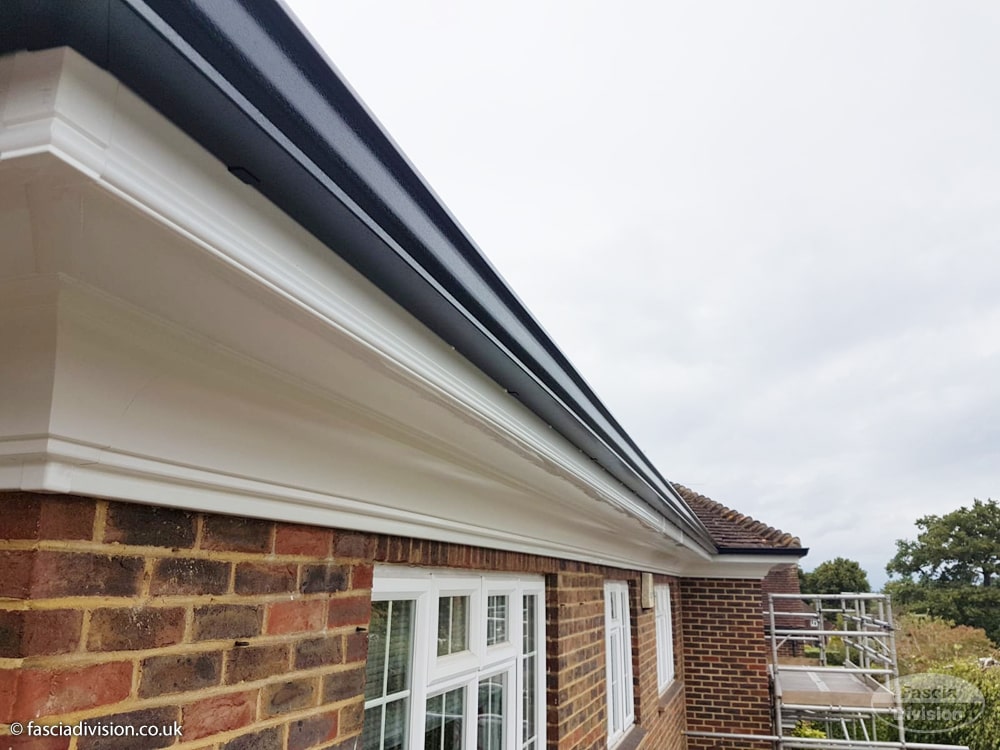
Fascia is the horizontal board that runs along the edge of the roofing system, basically forming the external edge of the roofline. It serves as a barrier in between the roof and the environment while also supporting the lower edge of the roofing tiles or shingles.
-
Soffit, on the other hand, is the product that covers the underside of the roof overhang. It bridges the space between the roof’s edge and your house’s exterior wall, offering ventilation to the attic and keeping insects out.
The Importance of Fascia and Soffit
Both fascia and soffit play critical functions in home maintenance, aesthetics, and energy performance.
| Element | Functions | Value |
|---|---|---|
| Fascia | – Protects edges of the roofing – Supports gutter systems – Enhances architectural style |
– Prevents water damage – Maintains structural stability |
| Soffit | – Provides ventilation to the attic – Protects rafters from weather – Enhances visual appeal |
– Reduces energy expenses – Prevents mold and rot |
Materials Used for Fascia and Soffit
When picking materials for Fascia And Soffit Experts and soffit, property owners have several options to select from, each with its own pros and cons.
| Material | Description | Pros | Cons |
|---|---|---|---|
| Wood | Conventional material frequently used for its visual appeal. | – Natural look – Easy to paint or stain |
– Prone to rot and insects – Requires maintenance |
| Vinyl | Made from PVC, extensively used for its low maintenance. | – Durable – Variety of colors and designs |
– Can become fragile in severe temperature levels |
| Aluminum | Light-weight and resistant to rust. | – Durable – Lightweight – Low maintenance |
– Can dent or scratch easily |
| Fiber Cement | A composite material that simulates wood. | – Fire resistant – Long-lasting |
– Heavier than other materials – Requires special tools for installation |
Installation Process
The installation procedure for fascia and soffit is important to guarantee their efficiency in protecting the home. Below is a general step-by-step guide.
-
Evaluation: Evaluate the present condition of fascia and soffit. Look for signs of damage such as rot, peeling paint, or insect invasion.
-
Product Selection: Choose the product based upon spending plan, environment, and aesthetic preference.
-
Measurements: Take accurate measurements of the roof’s edge for fascia and Expert Soffit Installation the underside of the eaves for soffit.
-
Preparation: Remove any old or damaged Fascia And Soffit Maintenance and soffit products while making sure appropriate safety measures are in place.
-
Installation:
- For Fascia: Secure the fascia board to the rafter tails, ensuring it is level and spaced properly for the gutter system.
- For Soffit: Install panels, ensuring there is adequate ventilation. Aerated soffit is especially important for homes in warmer environments.
-
Finishing Touches: Paint or end up as desired. Make sure all joints are sealed to avoid water seepage.
Maintenance Tips
Fascia and soffit require routine maintenance to ensure longevity and effectiveness.
-
Regular Inspections: Check for signs of wear, rot, or insect invasion at least when a year, particularly after extreme weather condition.
-
Cleaning: Remove particles, leaves, and dirt from rain gutters and soffit vents to promote proper air flow and prevent clogs.
-
Painting and Sealing: If utilizing wood, repaint or stain routinely to safeguard versus moisture. Vinyl and aluminum options might only need occasional cleaning.
-
Bug Control: Ensure there are no spaces where insects can go into. Seal cracks and holes to deter pests and rodents.
FAQ
Q: How frequently should fascia and soffit be replaced?A: Depending on the product and local weather conditions, fascia and soffit can last anywhere from 20 to 50 years. Routine maintenance may extend their lifespan. Q: Can I install fascia and soffit myself?A: While it is possible
, it requires tools and abilities for correct installation. It may be best to employ specialists to make sure a protected and efficient installation. Q: What are the signs that I require to replace my fascia and soffit?A: Look for indications of rot, spaces
, peeling paint, mold, or bug infestations. Damage to rain gutters can also suggest problems with fascia. Q: Is vinyl soffit better than wood?A: Vinyl is usually lower maintenance, more resilient, and resistant to rot compared to wood.
Nevertheless, wood uses a natural
aesthetic appeal that some property owners prefer. Fascia and soffit are crucial elements of a home’s exterior that typically go unnoticed however serve necessary functions in securing and improving the residential or commercial property. By understanding their roles, readily available products, Soffit Replacement – Oiaedu.Com – installation practices, and maintenance requirements, house owners can make educated decisions and guarantee their homes stay in optimal condition. Buying quality fascia and soffit not only preserves the beauty of a home however also safeguards it against water damage, insects, and energy inadequacy, making it a beneficial endeavor for any property owner.