

Fascia And Gutter Replacement
Add a review FollowOverview
-
Sectors SEO
-
Posted Jobs 0
-
Viewed 9
Company Description
5 Killer Quora Answers On Best Fascia Replacement
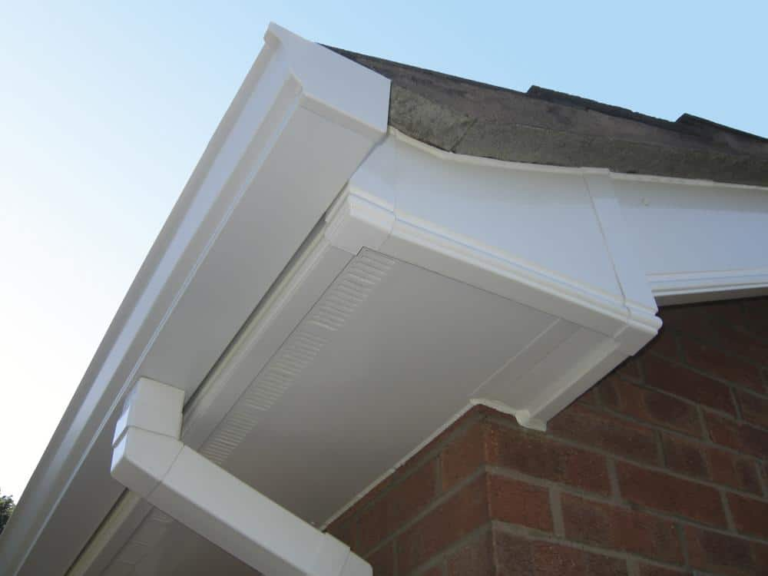
Best Fascia Replacement: Everything You Need to Know
When it concerns home maintenance, couple of components are as important as the fascia. This horizontal board runs along the edge of your roofing and plays an essential function in safeguarding the structural integrity of your home. Gradually, weather exposure and age can lead to wear and tear, making Fascia Repair Soffit Replacement a vital task for house owners. This guide will explore the best fascia replacement choices readily available, how to select the right materials, and when to think about professional help.
What is Fascia?
Fascia is a board that is set up at the lower edge of the roof line. It serves numerous functions, including:
- Supporting the bottom row of roofing system tiles or shingles
- Providing a completing touch to the roofline
- Safeguarding the rafter beams from weather components
- Working as an installing point for gutter systems
Signs You Need Fascia Replacement
Identifying problems with your fascia early can save considerable repair expenses later on. Look out for the following signs:
| Sign of Damage | Description |
|---|---|
| Cracks or Splits | Noticeable damage indicating wear and tear |
| Warping or Buckling | Distorted shape due to wetness or age |
| Mold or Mildew | Indications of water damage causing fungal growth |
| Peeling Paint | Indicates underlying rot or wetness problems |
| Insect Infestation | Insects often like decomposing wood |
Best Fascia Replacement Materials
Selecting the best product for your fascia replacement is crucial for long-term sturdiness and visual appeal. Below is a contrast of popular fascia products:
| Material | Pros | Cons | Life expectancy |
|---|---|---|---|
| Wood | Conventional appearance, quickly customizable | Prone to rot, requires routine maintenance | 10-20 years |
| Vinyl | Low maintenance, rot-resistant | Restricted color alternatives, may become brittle | 20-50 years |
| Aluminum | Durable, rust-resistant, light-weight | Dents easily, can be more expensive | 20-40 years |
| Composite | Environmentally friendly, resistant to insects | Higher upfront cost, minimal designs | 30+ years |
Key Considerations When Choosing Fascia Material
- Climate: Areas with high wetness may gain from vinyl or composite products due to their resistance to rot.
- Aesthetic Preferences: Wood uses a classic appearance however might need more frequent upkeep. Select materials that match your home’s total architecture.
- Budget plan: Determine how much you’re willing to spend. While wood might be less expensive at first, the long-lasting costs of maintenance ought to be considered.
- Environmental Impact: Sustainable materials are increasingly important. Try to find composite or recycled alternatives if eco-friendliness is a priority.
Do it yourself vs. Professional Installation
While some property owners might choose to replace fascia themselves, others might prefer to hire professionals. Here’s a breakdown of both methods:
DIY Fascia Replacement
Pros:
- Cost savings on labor
- Complete satisfaction of finishing a home improvement project
- Flexibility in operating at your own pace
Cons:
- Requires abilities and tools
- Prospective for errors resulting in further damage
- Time-consuming
Professional Installation
Pros:
- Expertise and experience ensure quality work
- Time-efficient, permitting faster completion
- Service warranties on labor and products typically consisted of
Cons:
- Higher upfront costs
- Less control over the timeline and task decisions
Installation Process Overview
If you’re thinking about a DIY technique, here are the general actions for installing fascia:
-
Gather Tools and Materials:
- Tools: Hammer, nails, saw, measuring tape, level, safety goggles.
- Products: Chosen fascia boards, nails, and paint/stain (if using wood).
-
Eliminate Old Fascia:
- Carefully take off the old fascia, bearing in mind any attached gutters.
-
Step Soffit And Cladding Cut New Fascia:
- Measure the lengths required and cut the new fascia boards to size.
-
Set Up the New Fascia:
- Position the brand-new boards and protect them with nails, guaranteeing they are level.
-
End up:
- If using wood, apply a protective paint or stain. Reattach gutters.
FAQ: Common Questions About Fascia Replacement
1. How often should fascia be changed?
- It usually lasts 10-50 years depending on the material utilized. Routine evaluations can assist identify when replacement is required.
2. Can I replace fascia in winter season?
- While it’s possible, winter conditions can complicate the installation procedure. It’s typically a good idea to wait until warmer weather.
3. What is the expense of fascia replacement?
- Costs vary widely based upon products and labor. Anticipate anywhere from ₤ 5 to ₤ 20 per linear foot for products, plus labor costs.
4. What maintenance does fascia require?
- Regular evaluations, cleaning of gutters, and repainting or staining (for wood) can help lengthen the life of your fascia.
5. Do I require authorizations for fascia replacement?
- Check with regional building codes. In some locations, licenses may be needed for roofing and structural work.
Fascia replacement is more than simply a cosmetic upgrade; it’s vital for protecting your home. By choosing the right products, understanding the installation process, and understanding when to seek professional assistance, house owners can ensure the durability and aesthetic appeal of their homes. Whether selecting wood, vinyl, aluminum, or composite products, being notified will result in a successful Fascia And Soffit Specialists replacement task. Do not wait till you see indications of damage; proactive Eaves Maintenance is key to maintaining your home’s worth and structural stability.