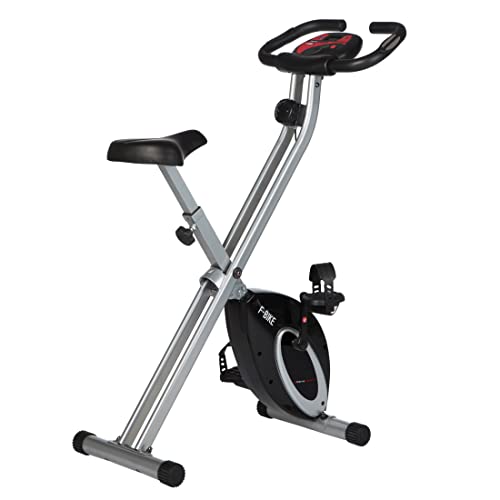
Exercise Bikes
Add a review FollowOverview
-
Sectors Support
-
Posted Jobs 0
-
Viewed 29
Company Description
The Most Successful Stationary Bikes Gurus Are Doing Three Things
The Ultimate Guide to Stationary Bikes: A Deep Dive into Benefits, Types, and Buying Considerations
In the ever-evolving landscape of fitness equipment, stationary bicycles have taken a niche as a staple for home exercise bikes workouts, fitness centers, and rehab centers alike. Whether you’re an ambitious bicyclist, a fitness newbie, or someplace in between, comprehending the kinds of stationary bikes, their advantages, and crucial buying considerations can assist you make a notified choice. This thorough guide will provide you with all the details you require while addressing typical concerns about fixed bikes.
The Benefits of Stationary Bikes
Stationary bicycles use a myriad of benefits, making them a popular choice for many fitness lovers. Below are a few of the most noteworthy advantages:
| Benefit | Description |
|---|---|
| Cardiovascular Fitness | Stationary cycling increases heart rate, enhancing general cardiovascular health. |
| Low Impact Exercise | Offers an excellent exercise without stressing the joints, making it appropriate for all physical fitness levels. |
| Weight Management | Aids in burning calories effectively, adding to weight loss or maintenance. |
| Convenience | Permits exercise flexibility, enabling users to exercise at any time, no matter weather condition conditions. |
| Adjustable Workouts | Many bikes offer adjustable resistance and pre-programmed programs for diverse strength. |
| Minimal Space Required | Compact designs are readily available, making them ideal for small home exercise bikes. |
Kinds Of Stationary Bikes
There are 3 main types of stationary bicycles, each serving different fitness goals and choices. Below is an in-depth contrast:
| Type | Description | Pros | Cons |
|---|---|---|---|
| Upright Bikes | These bikes resemble standard bicycles with a comfortable seat and handlebars. | – Engages core muscles – Compact style |
– May trigger discomfort for long trips |
| Recumbent Bikes | Functions a reclined seating position, permitting for back support. | – Excellent back assistance – Comfortable for long period of time |
– Larger footprint – Less core engagement |
| Spin Bikes | Created for high-intensity interval training, these bikes look like roadway bikes but are often more robust. | – Great for extreme exercises – Adjustable resistance for numerous ability levels |
– May be unpleasant for novices – Typically do not have back support |
What to Consider When Buying a Stationary Bike
When picking a stationary bike, a number of elements must be weighed to guarantee the Best Stationary Bikes For Exercise fit for individual requirements.
-
Budget: Stationary bikes been available in numerous price ranges. Setting a budget helps limit options.
-
Area: Consider the size of the bike and where it will be put. Determining your space guarantees the bike fits easily.
-
User Experience: Assess the comfort of the bike’s seat, handlebar adjustability, and ease of usage.
-
Resistance Types: Look for bikes with magnetic, friction, or air resistance, depending upon chosen workout strength.
-
Functions: Modern bikes may come geared up with digital screens, Bluetooth connectivity, integrated home exercise bike programs, and heart rate displays.
-
Weight Capacity: Ensure the bike can support the user’s weight. Many designs will have a defined weight limitation.
-
Service warranty and Maintenance: Check for warranty coverage and ease of upkeep to prevent future headaches.
Frequently Asked Questions (FAQ)
1. How reliable is stationary cycling for weight-loss?
Fixed cycling can effectively help weight reduction when integrated with a well balanced diet plan. The number of calories burned throughout a session varies based upon strength and duration, with estimates varying from 400 to 800 calories per hour.
2. How long should I ride a stationary bicycle for optimal outcomes?
For cardiovascular advantages and weight loss, it’s advised to intend for a minimum of 150 minutes of moderate exercise or 75 minutes of energetic exercise every week, which can be broken down into shorter sessions throughout the week.
3. Are stationary bikes ideal for all ages?
Yes, fixed bikes are appropriate for people of any ages, supplied the user has no underlying health conditions preventing them from working out. Always consult a physician if not sure.
4. Can I construct muscle with stationary cycling?
While fixed cycling mainly focuses on cardiovascular fitness, it can help tone the leg muscles, especially the quadriceps, hamstrings, and calves, especially when high resistance is used.
5. Do I need special shoes for biking on a stationary bike exercise home?
While unique biking shoes can boost efficiency, especially on spin bikes, they are not obligatory. Many stationary bicycles included standard pedals that accommodate regular athletic shoes.
Stationary bicycles act as an excellent tool for accomplishing a range of fitness goals, from enhanced cardiovascular health to weight management and muscle toning. Whether you choose the upright position of classic bikes, the comfort of recumbent styles, or the high-intensity workouts used by spin bikes, there is a stationary bike to fit every individual’s requirements.
Before buying, it’s vital to consider aspects such as budget plan, space, and user experience. With the best info and assistance, anyone can find a stationary bicycle that not only satisfies their fitness requirements but likewise motivates them to preserve a constant workout regimen. Accept the advantages of stationary cycling and pedal your method to a healthier way of life!