Soffit Board Replacement
Add a review FollowOverview
-
Sectors Writing
-
Posted Jobs 0
-
Viewed 12
Company Description
10 Unexpected Fascias Tips
The Comprehensive Guide to uPVC Fascias: Benefits, Installation, and Maintenance
In the world of modern-day construction and home improvement, uPVC fascias have become a preferred choice for homeowners and contractors alike. uPVC, or unplasticized polyvinyl chloride, is understood for its toughness and versatility, making it an ideal product for outside applications. This article aims to explore uPVC fascias in information, discussing their advantages, installation, maintenance, and attending to often asked concerns.
What are uPVC Fascias?
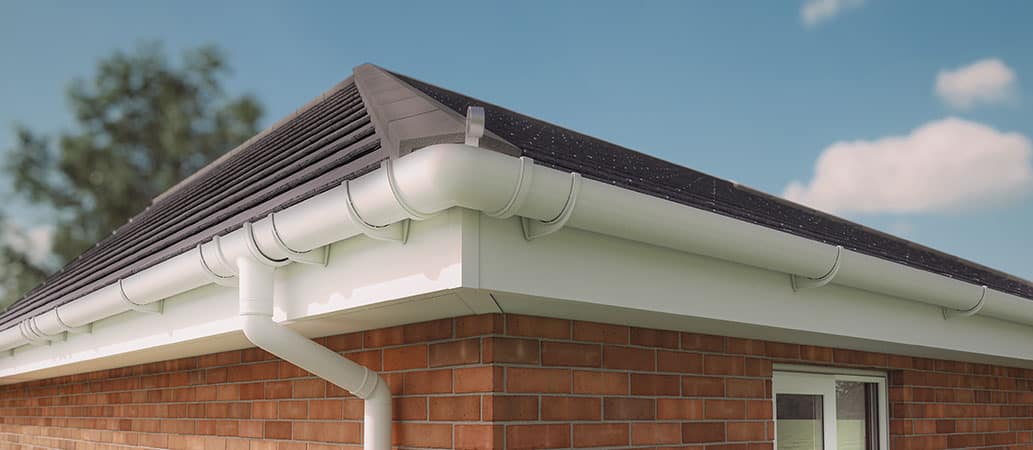
Fascias are the horizontal boards that run along the edge of a roofing, working as a cap for the ends of rafters. They play a vital function in offering structural support to the roofline while likewise providing visual appeal. uPVC fascias are made from a plastic-based product that is both weather-resistant and low maintenance, making them a popular alternative to standard wooden fascias.
Benefits of uPVC Fascias
When considering fascias for your home, uPVC offers a number of benefits:
| Benefit | Description |
|---|---|
| Durability | uPVC is resistant to rot, warping, and bug damage, ensuring a long life expectancy compared to wood. |
| Low Maintenance | Unlike wood, uPVC does not need to be painted or stained and can be quickly cleaned with soap and water. |
| Weather Resistance | uPVC fascias are resistant to moisture, making them ideal for regions with heavy rainfall or humidity. |
| Aesthetic Appeal | Offered in various colors and finishes, uPVC fascias can match any architectural style. |
| Affordable | Long-term cost savings on maintenance and Replacement Fascia Boards make uPVC a cost-effective choice. |
| Eco-Friendly Options | Some makers provide recycled uPVC choices, promoting sustainability in building materials. |
Installation of uPVC Fascias
Tools Required
Before beginning the installation of uPVC fascias, collect the following tools:
- Measuring tape
- Level
- Hammer
- Screwdriver
- Circular saw or hand saw
- Safety safety glasses
- Ladder
Step-by-Step Guide
-
Procedure the Area: Use a determining tape to figure out the length of the fascia boards needed.
-
Purchase the Right Materials: Select uPVC fascias that match your visual and practical requirements. Guarantee you’ve got enough length and complementary devices (like brackets and end caps).
-
Remove Old Fascias (if appropriate): If you’re changing existing fascias, thoroughly remove them using the hammer and screwdriver. Beware not to harm the roofline or underlying structures.
-
Prepare the Fascia Board: Cut the uPVC fascia to the needed lengths, making sure clean edges for a neater fit.
-
Install the Fascia And Soffit Experts Board: Position the Fascia Board Replacement board along the roofline. Protect it in place with screws, guaranteeing it is level and sufficiently connected to the rafters.
-
Completing Touches: Install any extra accessories such as end caps or corner pieces to give a finished look. Ensure all joints are sealed to prevent moisture ingress.
-
Tidy Up: Dispose of any particles and tidy the location to make sure a neat work area.
Installation Tips
- Always speak with regional building regulations Soffit And Fascia Services regulations before starting the job.
- If unsure about installation, consider hiring a professional.
- Usage aluminum or stainless-steel screws to withstand deterioration.
Maintenance of uPVC Fascias
One of the main benefits of uPVC fascias is their low maintenance requirements. Nevertheless, regular checks and cleanings can prolong their life expectancy:
Routine Maintenance Checklist
| Task | Frequency |
|---|---|
| Visual Inspection | Annually |
| Cleaning | Bi-annually |
| Inspect for Damage | Yearly |
| Sealant Inspection | Every few years |
Cleaning Your uPVC Fascias
- Use a soft fabric or sponge with warm, soapy water.
- Prevent abrasive cleaners, as they can scratch the surface area.
- Rinse completely with water to eliminate soap residue.
FAQ About uPVC Fascias
1. How long do uPVC fascias last?
uPVC fascias can last between 20 to 30 years or more, depending on the quality of the material and ecological conditions.
2. Can uPVC fascias be painted?
While it is not needed to paint uPVC fascias, if wanted, you need to use specifically developed paint created for plastic surface areas.
3. What colors are offered for uPVC fascias?
uPVC fascias are available in a wide variety of colors, consisting of white, black, and wood grain finishes to match the aesthetic of your home.
4. Are uPVC fascias eco-friendly?
Yes, numerous producers offer recycled uPVC products, and the durability of uPVC fascias decreases the need for replacements, adding to sustainability.
5. How do I understand if my fascias require changing?
Indications that fascias might require changing include visible sagging, breaking, or discoloration. If there is water damage or rot, instant action needs to be taken.
Choosing uPVC fascias for your home can significantly improve both its structural stability and visual appeal. With their durability, low maintenance, and modern-day designs, uPVC fascias stick out as an outstanding financial investment for house owners. Appropriate installation and regular maintenance can extend their lifespan, making them a practical and cost-effective option for any property. Whether you’re constructing a brand-new home or refurbishing an existing one, consider the benefits that uPVC fascias can bring to your living environment.