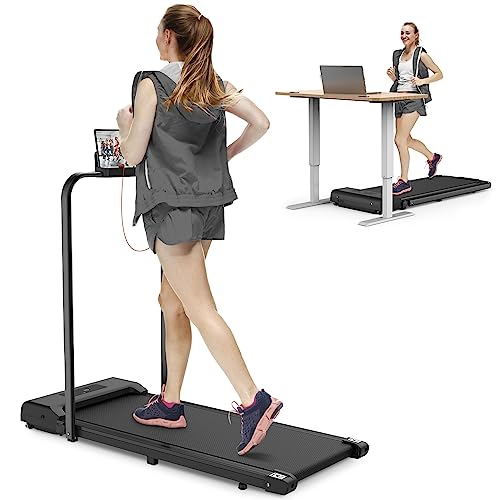
Walking Pad Non Electric
Add a review FollowOverview
-
Sectors Graphics
-
Posted Jobs 0
-
Viewed 18
Company Description
11 “Faux Pas” That Are Actually OK To Do With Your Non Powered Treadmill
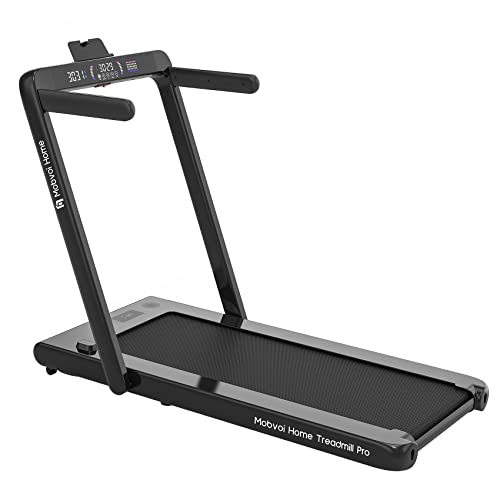
The Non-Powered Treadmill: A Comprehensive Guide
Recently, the physical fitness industry has actually seen a noteworthy shift towards more sustainable and effective exercise equipment. Amongst these innovations, non-powered treadmills– typically referred to as manual treadmills– have actually acquired appeal among physical fitness lovers and casual gym-goers alike. This article explores what non-powered treadmills are, their advantages, and how they compare to conventional, powered treadmills.
What is a Non-Powered Treadmill?
A non-powered treadmill is a kind of treadmill that does not rely on electricity to operate. Rather, it uses the user’s effort to move the running belt. The user needs to push the belt backward with their feet while walking or running, making it a more physically requiring workout option.
Key Features of Non-Powered Treadmills
| Feature | Description |
|---|---|
| Power Source | Manual; no electricity required |
| User Control | Speed and intensity are determined by the user |
| Portability | Often lighter and much easier to move than powered designs |
| Maintenance | Generally needs less maintenance and repair work |
| Durability | Frequently built with durable, long-lasting materials |
Advantages of Non-Powered Treadmills
1. Increased Caloric Burn
Because users need to produce the movement themselves, non-powered treadmills can promote a greater calorie burn compared to motorized designs. A research study highlighted that running on a manual treadmill could burn up to 30% more calories than a powered treadmill at the same speed.
2. Engagement of More Muscle Groups
Non-powered treadmills need users to use more muscle groups, including legs, core, and even upper body (to preserve balance and posture). This makes for a more holistic workout.
3. Enhanced Athletic Performance
For athletes looking to enhance their running efficiency, manual treadmills offer an excellent method to construct endurance and stamina. The self-propelling nature motivates higher effort, imitating outside running conditions.
4. Lowered Injury Risk
Manual treadmills typically have a lower effect on joints than their powered counterparts. Users can control their rate and strength, enabling a more customized workout that decreases the risk of injury.
5. Cost-Effectiveness
Non-powered treadmills are normally cheaper than motorized variations, making them an attractive option for budget-conscious fitness lovers. Moreover, their absence of electrical parts suggests lower functional costs as well.
Comparing Non-Powered and Powered Treadmills
When picking between a non-powered and a powered treadmill, it is essential to weigh the benefits and drawbacks. Below is a contrast chart illustrating the differences:
| Feature | Non-Powered Treadmill | Powered Treadmill |
|---|---|---|
| Source of power | Manual | Electric |
| Calorie Burn | Greater due to self-propulsion | Basic |
| Maintenance | Low | Greater due to electrical parts |
| Mobility | High | Typically bulky and heavy |
| User Control | Completely depending on user effort | Can set speeds and incline easily |
| Price | Usually lower cost | Can be quite expensive |
How to Use a Non-Powered Treadmill Effectively
Getting the most out of a non-powered treadmill indicates utilizing proper methods and workout techniques:
Warm-Up
Before beginning, it’s essential to heat up. Dynamic stretches and light walking will prepare your body for the workout ahead.
Start Slow
Begin at a comfy walking pace to get accustomed to the mechanics of the treadmill. As you develop confidence, slowly increase your speed.
Vary Your Workouts
Explore various exercise routines, consisting of interval training, steady-state running, or incline walking. This range will keep workouts exciting and improve overall physical fitness.
Concentrate on Form
Keeping proper posture is crucial. Keep your core engaged, shoulders unwinded, and head up. This will not only boost performance but likewise decrease the threat of injury.
Cool Down
After your exercise, take time to cool down. Slowly minimize your pace followed by static stretching to aid recovery.
Regularly Asked Questions (FAQs)
1. Are non-powered treadmills appropriate for newbies?
Yes, non-powered treadmills can be suitable for beginners as they enable users to move at their own speed and intensity. Nevertheless, newbies should begin slowly to adapt to the exercise.
2. How much do non-powered treadmills cost?
Rates vary substantially, however non-powered treadmills generally range from ₤ 200 to ₤ 800, depending upon functions and brand name.
3. Can you utilize a non-powered treadmill for walking exercises?
Absolutely! Non-powered treadmills are excellent for both walking and running workouts. Users can adjust their intensity based on fitness levels.
4. Do non-powered treadmills work well for interval training?
Yes, they are best for interval training given that users can rapidly alter their pace and incline, making workouts extremely customizable.
5. Are they loud?
Non-powered treadmills are generally quieter than powered variations, which makes them ideal for home fitness center setups.
Non-powered treadmills provide an effective and effective way to attain cardiovascular fitness while engaging several muscle groups. With the ability to burn more calories and promote athletic efficiency, these devices stand apart in a crowded physical fitness devices market. Their cost-effectiveness, lower upkeep requirements, and viability for a vast array of users make them an appealing choice for anybody seeking to enhance their physical fitness routine. Just like any devices, proper use and method are important for making the most of advantages– so lace up those shoes and hit the manual treadmill for a workout that genuinely fulfills your requirements.